
Exploring Mental Health Counseling Options in Plymouth-Canton MI

Mental health plays a crucial role in overall well-being, yet many people hesitate to seek help due to stigma or uncertainty about available resources. If you live in Plymouth-Canton, MI, and are considering counseling, understanding your options can make a significant difference. This article explores the mental health counseling services available in this area, helping you find the right support for your needs.
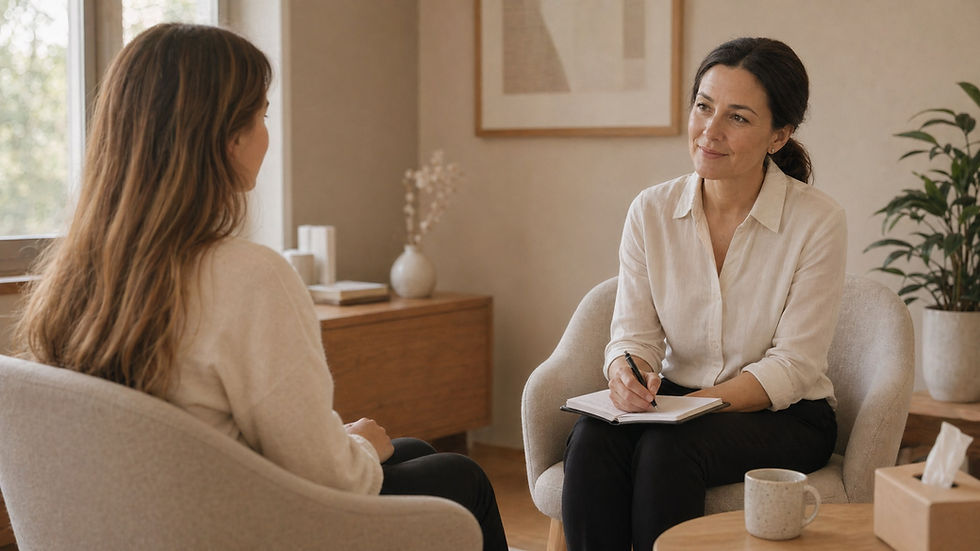
Types of Mental Health Counseling Available
Plymouth-Canton offers a variety of counseling services tailored to different needs. Here are some common types:
Individual Therapy One-on-one sessions with a licensed counselor focus on personal challenges such as anxiety, depression, stress, or trauma. This approach allows for personalized treatment plans.
Couples Counseling Designed for partners looking to improve communication, resolve conflicts, or rebuild trust. Therapists guide couples through exercises and discussions to strengthen their relationship.
Family Therapy This involves multiple family members working together to address issues affecting the family dynamic. It can help improve understanding and support among relatives.
Group Therapy Group sessions provide a supportive environment where individuals facing similar challenges share experiences and coping strategies. This can reduce feelings of isolation.
Specialized Counseling Some counselors focus on specific areas such as substance abuse, grief, trauma, or child and adolescent therapy. Finding a specialist can provide targeted support.
How to Choose the Right Counselor
Selecting a counselor can feel overwhelming, but considering these factors can help:
Credentials and Licensing Ensure the counselor is licensed in Michigan and has appropriate qualifications. This guarantees they meet professional standards.
Experience with Your Concern Look for therapists who specialize in the issues you want to address. For example, if you struggle with anxiety, a counselor experienced in anxiety disorders will be more effective.
Therapy Approach Different counselors use various methods such as cognitive-behavioral therapy (CBT), mindfulness, or psychodynamic therapy. Research these approaches to find one that resonates with you.
Accessibility and Convenience Consider location, office hours, and whether they offer virtual sessions. Plymouth-Canton has options for both in-person and online counseling.
Comfort and Rapport Feeling comfortable with your counselor is essential. Many therapists offer an initial consultation to see if you connect well.
What to Expect During Your First Counseling Session
Starting counseling can feel intimidating, but knowing what to expect helps ease anxiety:
Initial Assessment The counselor will ask about your history, current challenges, and goals. This helps them understand your situation.
Confidentiality Explained Therapists will explain privacy rules and limits, ensuring you feel safe sharing personal information.
Setting Goals Together, you and your counselor will outline what you want to achieve through therapy.
Session Structure Sessions typically last 45-60 minutes and may include talking, exercises, or homework assignments.
Benefits of Mental Health Counseling
Seeking counseling offers many advantages:
Improved Emotional Health Counseling helps manage symptoms of anxiety, depression, and stress.
Better Relationships Learning communication and conflict resolution skills can strengthen personal connections.
Increased Self-Awareness Therapy encourages reflection and understanding of thoughts and behaviors.
Coping Strategies Counselors teach practical tools to handle life’s challenges more effectively.
Support During Transitions Whether facing loss, career changes, or family issues, counseling provides guidance and stability.
Tips for Making the Most of Counseling
To get the best results from your sessions:
Be honest and open with your counselor.
Attend sessions regularly and on time.
Complete any assignments or exercises given.
Share feedback about what works or doesn’t.
Practice new skills outside of sessions.
Mental health counseling in Plymouth-Canton, MI, offers accessible and effective support for many challenges. Taking the first step to seek help can lead to meaningful improvements in your life. If you or someone you know is struggling, exploring local counseling options is a positive move toward wellness. Reach out today to find a counselor who fits your needs and start your journey toward better mental health.



Comments